
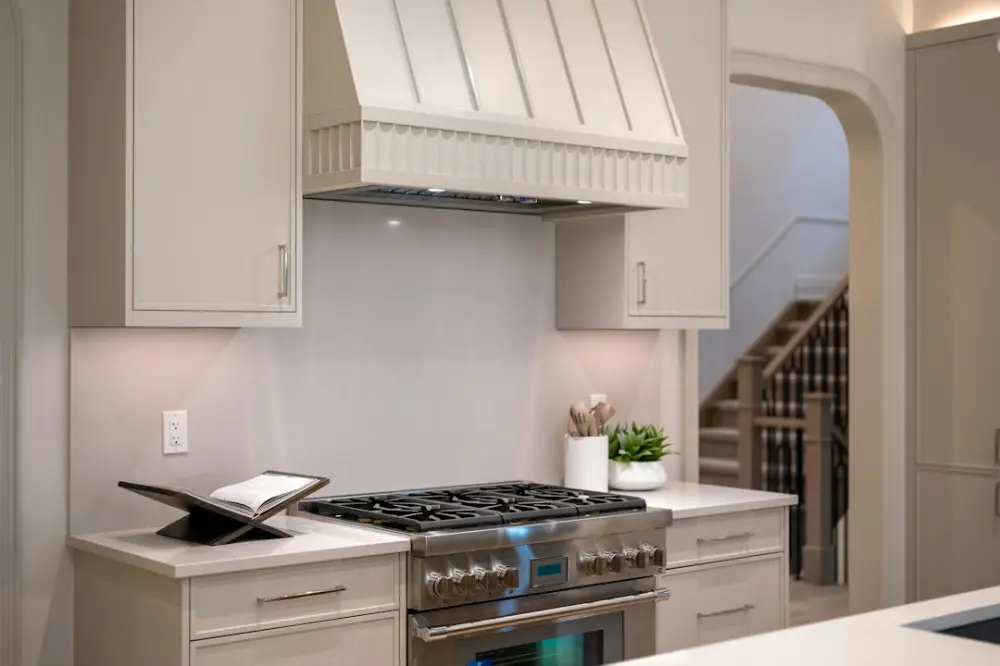
Checking installation requirements with qualified professionals is the process of consulting licensed experts to verify that equipment meets manufacturer specifications, local building codes, and safety standards. This ensures that complex systems—from software environments like Sencha CMD to high-performance kitchen range hoods—are configured correctly to prevent operational failure, safety hazards, or voided warranties.
While DIY projects are popular for aesthetic upgrades, technical installations require a deeper understanding of infrastructure limits. A professional review identifies hidden constraints, such as inadequate electrical load for a commercial-grade motor or insufficient duct diameter for high-volume airflow. This proactive step transitions a project from a simple purchase to a functional, long-term household asset.
What Professional Installation Verification Means
Professional verification is a comprehensive audit of the environment where a new system will reside. It goes beyond checking if a unit physically fits into a space. For example, in IT environments, a technician might verify the MatchPoint Client installation process by checking server permissions and database connectivity before deployment. In a kitchen setting, this means a licensed contractor or HVAC specialist evaluates the structural integrity of the wall and the existing ventilation path.
When a qualified professional reviews installation requirements, they are looking for "points of failure" that an amateur might overlook. They assess whether the power supply matches the amperage requirements of the new device and whether the surrounding materials can withstand the heat or moisture generated during operation. This step is particularly vital for homeowners who are upgrading to more powerful appliances that exceed the capacities of standard residential construction.
Verification also involves a review of the manufacturer’s installation manual. Professionals ensure that every clearance requirement—the distance between a heat source and the ventilation unit—is strictly followed. This is not just about performance; it is a matter of fire safety and compliance with insurance policies. If a fire occurs and the installation was found to be non-compliant with manufacturer specs, insurance claims can be denied.
Industry Standards for Technical Requirements
Every major appliance and technical system is governed by industry standards designed to protect the user. in the field of kitchen ventilation, the International Residential Code (IRC) and the National Fire Protection Association (NFPA) provide guidelines on duct sizing, material thickness, and discharge locations. A qualified professional understands these codes and can translate them into a practical installation plan.
For instance, when looking at the 7 best range hood features to consider for a modern home, high CFM (Cubic Feet per Minute) ratings often top the list. However, industry standards in many regions require "makeup air" systems if a hood exceeds 400 CFM. A qualified professional will identify this requirement early, preventing a scenario where the range hood creates a dangerous vacuum in the home, potentially pulling carbon monoxide back down a water heater flue.
Technical requirements also extend to the materials used. Standards often dictate that ductwork must be made of rigid galvanized steel rather than flexible plastic or aluminum foil. Professionals ensure that the installation meets these durability standards, ensuring that grease buildup—a natural byproduct of cooking—does not become a significant fire risk within the walls of the home. This level of adherence to standards is what separates a functional kitchen from a professional-grade culinary environment.
Essential Testing and Qualification Procedures
Once the physical installation requirements are understood, a series of testing procedures must be performed to qualify the setup. In a technical workshop environment, such as a TrafficCam workshop installation, this might involve testing data packet loss or sensor calibration. In a kitchen, the primary testing focus is on airflow dynamics and static pressure.
Qualified professionals use specialized tools like anemometers to measure the actual air velocity at the filters. They also check for static pressure—the resistance the air meets as it moves through the ductwork. If the ducting has too many turns or is too long, the hood will not perform at its rated capacity. A professional can calculate the "equivalent duct length" to ensure the motor isn't overworked, which would lead to premature failure.
Electrical testing is another critical procedure. Professionals use multimeters to ensure the voltage supplied to the unit is stable. For high-performance units, they may need to verify that the circuit is dedicated and not shared with other high-draw appliances like refrigerators or microwaves. This prevents nuisance tripping of breakers and ensures the sensitive electronics in modern hoods—such as touch screens or heat sensors—operate without interference.
Finally, professionals perform a smoke test or a "capture and containment" test. By using a non-toxic smoke generator, they can visually confirm that the hood is actually drawing in the steam and grease from the cooktop rather than allowing it to spill over the sides into the living area. This is the ultimate proof of a successful installation.
Why Professional Oversight Matters for Kitchen Ventilation
The trend toward open-concept living has changed the stakes for kitchen ventilation. As walls come down, the need for efficient air management increases. This is one reason more homeowners are finally choosing commercial grade systems that can handle the high-heat output of professional ranges. However, these powerful systems are not "plug and play." They require a level of precision that only professional oversight can provide.
A professional ensures that the ventilation system is balanced. They look at the home as a whole system rather than just looking at the stove. This includes checking how the range hood interacts with the HVAC system and ensuring that the kitchen remains a healthy environment with low noise levels. They can advise on the proper height for installation—typically between 24 and 36 inches above the cooktop—to maximize capture without obstructing the chef's view or creating a head-bump hazard.
Beyond the technicalities, professional oversight provides peace of mind. Knowing that a licensed expert has signed off on the electrical connections and the ducting path means the homeowner can cook with high heat, sear proteins, and boil large pots of water without worrying about lingering odors or moisture damage to cabinetry. It ensures the longevity of both the appliance and the home's interior finishes.
At Range Hoods Store, we emphasize that the best equipment is only as effective as its installation. By checking installation requirements with qualified professionals, you protect your investment and ensure your kitchen remains the clean, healthy heart of your home. Whether you are planning a complete remodel or a simple upgrade, prioritizing professional verification is the most practical step you can take toward a high-performance kitchen.